Enjoy free shipping on orders over 300 GBP

Essential Steps

Washing

Wash your clothes only if necessary. Remove stains manually and air clothes out between wears.

Temperature

Reduce your washing temperature — the lower the temp, the more gentle the clean.

Drying

Natural drying is energy-free. Hang-dry to save energy and keep clothes in shape.

Ironing

Iron only when necessary. Hang-dry promptly after washing to minimise creasing.

Dry cleaning

Use professional cleaning when recommended to extend your garment's life.

Detergent

Use the right dose. Too much leaves residue on clothes and is unfriendly for the planet.

Fabric Care

So you can love them longer. Here's how to keep our core materials and natural fabrics soft, cozy, and everlasting.

Acrylic

  • Wash: Machine wash, 40°C maximum.
  • Dry: Dries quickly — wrap in a towel and press; never tumble dry.
  • Iron: Not required, acrylic doesn't crease.

Additional care tips

  • Common mistake: High heat (hot wash, tumble dry, or a hot iron) melts and glazes the fibre — this damage can't be undone.
  • Storage: Fold rather than hang; hanging stretches acrylic knits out of shape.

Cotton

  • Wash: White cotton up to 90°C; coloured cotton 60°C max (30-40°C for lightly soiled items).
  • Dry: Air dry, stretched to keep shape; keep colours out of direct sun.
  • Iron: Hot iron is fine — avoid scorching or yellowing.

Additional care tips

  • Common mistake: Overloading the machine causes friction-pilling and fading, and too much detergent leaves stiff residue.
  • Storage: Fold heavier cotton to avoid hanger stretch; keep away from damp to prevent mildew.

Cupro

  • Wash: Hand wash or gentle machine cycle, cold water, mild detergent.
  • Dry: Hang dry away from direct heat; never tumble dry — cupro is delicate and prone to shrinking.
  • Iron: Low heat, inside out, or steam instead.

Additional care tips

  • Handle gently when wet — cupro is weaker and more prone to stretching or tearing while damp.

Denim

  • Wash: Turn inside out, wash in near-cold water.
  • Dry: Hang-dry preferred; if tumbling, under 15 min then finish on a hanger.
  • Iron: Rarely needed if hung to dry.
  • Tip: Soak new jeans in water + white vinegar before the first wash to reduce fading.

Additional care tips

  • Common mistake: Washing after every wear strips indigo dye and wears fibres out faster — most jeans only need washing every 10+ wears.
  • Storage: Hang by the waistband or fold; keep out of direct sunlight, which fades indigo unevenly.

Elasthane

  • Wash: 40°C max to preserve elasticity.
  • Dry: Dries fast — wrap in a towel and press; never tumble dry.
  • Iron: Very low heat only (110°C) — high heat damages elasticity.

Additional care tips

  • Common mistake: Chlorine bleach and high heat break down elastic fibres, causing a permanent loss of stretch.
  • Storage: Fold; avoid tight hangers that keep the fabric under tension.

Leather

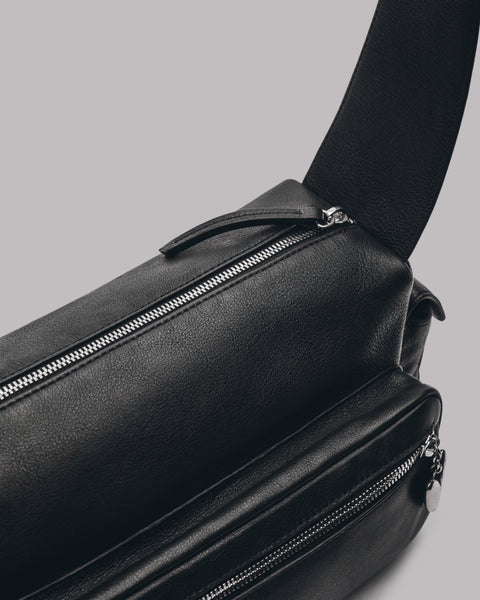
  • Wash: Never machine wash or soak — wipe clean with a soft, slightly damp cloth only.
  • Dry: Air dry naturally, away from direct heat or sunlight; never use a dryer or heater.
  • Condition: Apply a leather conditioner every few months to prevent cracking and maintain suppleness.

Additional care tips

  • Store stuffed with tissue paper on a padded hanger to hold shape; keep away from moisture, which encourages mold.

Linen

  • Wash: Up to 40°C, delicate detergent, short cycle, low/no spin.
  • Dry: Can be tumble dried (blends need gentler care).
  • Iron: Best while damp, high heat — often doesn't need ironing.
  • Tip: White linen can be bleached at 70-80°C; avoid on coloured or coated linen.

Additional care tips

  • Common mistake: Over-drying or high spin speeds set deep creases; wringing weakens fibres at the fold lines.
  • Storage: Fold rather than hang on wire hangers (rust marks, shoulder bumps); store somewhere breathable, not sealed plastic.

Lyocell

  • Wash: Machine wash cold, gentle/delicate cycle, inside out.
  • Dry: Hang dry to hold shape; if tumble drying, use low heat only.Iron: 
  • Low-medium heat, inside out, while still slightly damp for best results.

Additional care tips

  • Prone to wrinkling less than most naturals — often needs no ironing if hung promptly after washing.

Modal

  • Wash: Inside out, 30°C, gentle cycle — don't soak.
  • Dry: Hang-dry to keep shape; avoid tumble drying or direct sun.
  • Iron: Inside out, low heat.

Additional care tips

  • Common mistake: Chlorine bleach or high heat weakens modal fibres and causes pilling.
  • Storage: Fold rather than hang — modal has little recovery and stretches on a hanger over time.

Polyester

  • Wash: 60°C max; add fabric softener to reduce static.
  • Dry: Dries quickly — wrap in a towel and press.
  • Iron: Crease-resistant; use lowest setting if needed.

Additional care tips

  • Common mistake: High heat can melt or glaze the fibre and permanently set oil-based stains.
  • Storage: Hanging is fine — polyester resists wrinkling and stretching.

Silk

  • Wash: By hand in lukewarm water with silk detergent, or machine hand-wash cycle in a protective net.
  • Dry: Press between towels — don't wring; hang or lay flat away from sun.
  • Iron: Low heat, inside out, or use a damp cloth barrier.

Additional care tips

  • Common mistake: Deodorant, perfume, and sweat can permanently stain or weaken silk — let them dry before dressing.
  • Storage: Use a breathable cotton garment bag, not plastic, away from wire hangers that leave marks.

Wool

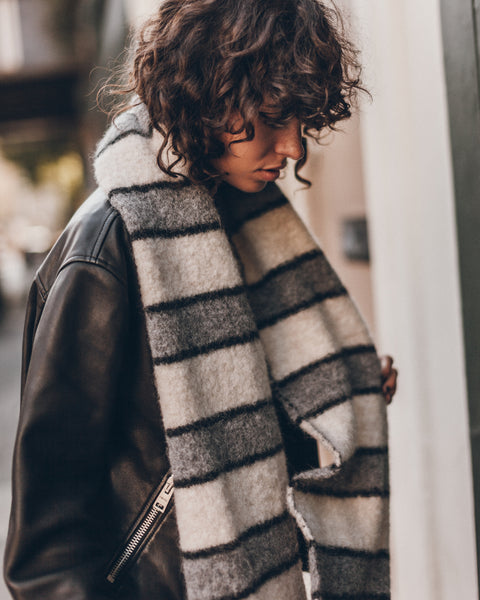
  • Wash: Hand wash, cold water, gently — add a splash of vinegar to the final rinse.
  • Dry: Roll in a towel to remove water, then lay flat away from sun/heat.
  • Iron: Inside out, low heat with light steam.

Additional care tips

  • Common mistake: Hot water, agitation, and heat cause irreversible felting and shrinkage — the #1 wool-ruining mistake.
  • Storage: Always fold, never hang; use cedar blocks or lavender (not mothballs) to deter moths, and store clean.

Viscose

  • Wash: Inside out, 30°C, delicate setting — don't soak.
  • Dry: Air dry to keep shape; avoid tumble drying and direct sun.
  • Iron: Inside out, low heat.

Additional care tips

  • Common mistake: Viscose is much weaker when wet — wringing or twisting while damp can tear or distort it.
  • Storage: Dry flat before storing; fold rather than hang, since viscose stretches under its own weight.

Jewelry

Made to be worn, loved, and kept for years. Here’s how to care for your MIKUTA jewelry and preserve its natural beauty.

Sterling silver

  • Reminder: Silver is a naturally soft metal, and tarnishing from exposure to open air is completely normal. It's not damage, and can simply be polished away.
  • Clean: Polish gently with a microfiber or silver polishing cloth; for buildup, use lukewarm water with mild soap and a soft brush.
  • Store: Keep in an airtight pouch or anti-tarnish bag away from air and humidity.
  • Avoid: Perfume, lotion, chlorine, and prolonged water exposure — remove before showering, swimming, or exercising.

Additional care tips

  • Wearing silver often actually slows tarnishing — the natural oils in skin help keep it polished.

Stainless steel

  • Clean: Wipe with a soft cloth; for deeper cleaning, use warm water and mild soap, then dry thoroughly.
  • Store: Keep separate from other pieces to avoid scratching.
  • Avoid: Abrasive cloths and harsh chemicals — though steel is naturally resistant to tarnish and rust.

Additional care tips

  • The most durable and low-maintenance of MIKUTA's jewelry materials — safe for daily wear, including light water exposure and scratch-resistance.

Care Symbols Index

Decode every laundry symbol — washing, bleaching, drying, ironing, and professional-cleaning icons explained in detail.

VIEW THE CARE SYMBOL INDEX

Remove a Stain

Interactive stain-removal finder — choose a stain type and fabric to get tailored removal steps.

OPEN THE STAIN REMOVER